eat well
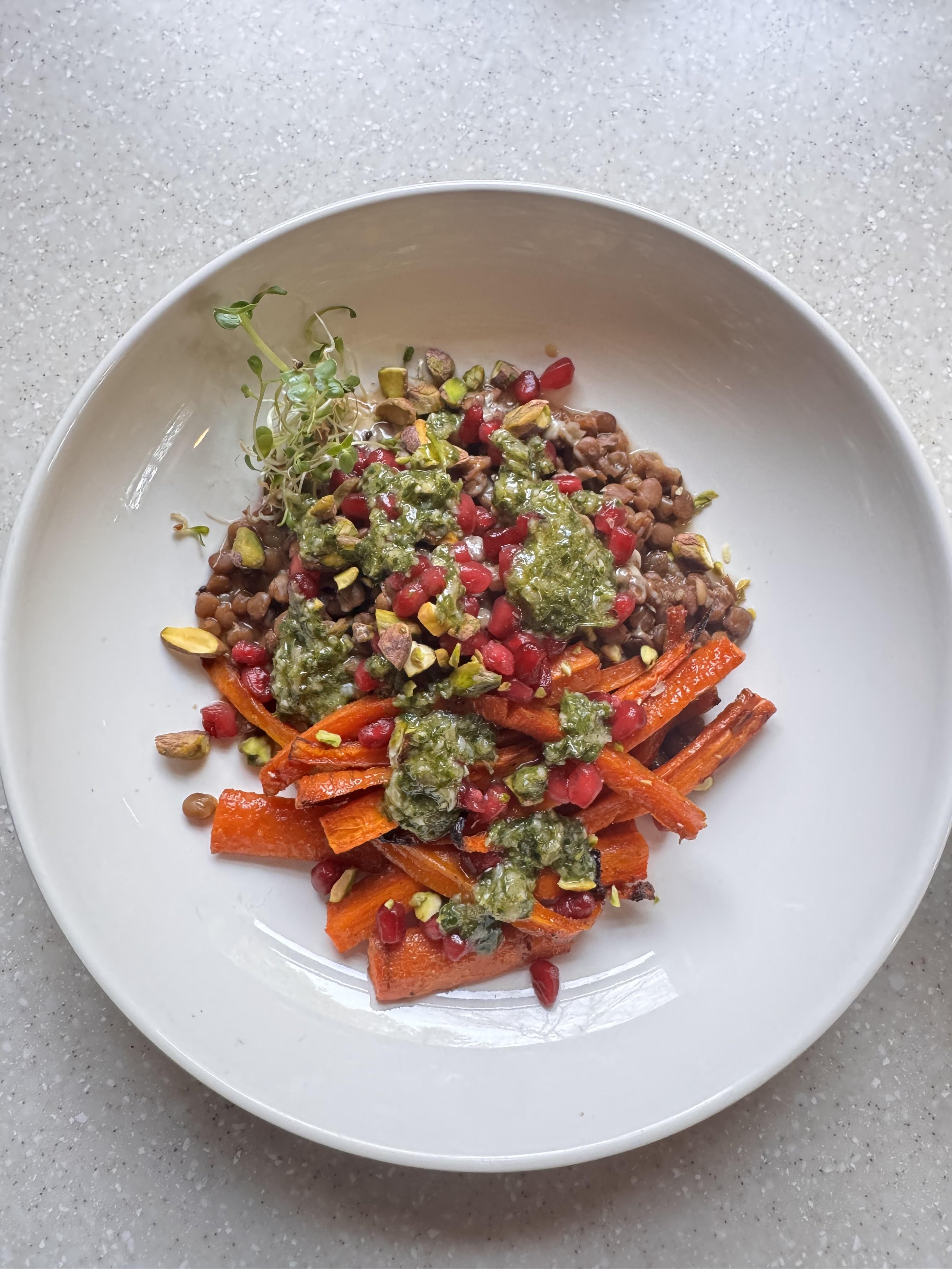
This is a wonderful meal for those with auto-immune response issues. This recipe can be found in the Life-Changing Salads cookbook by Danielle Brown
While on retreat, my objective is to leave you feeling nourishment for the feminine body. Many retreats are vegetarian but can be customized to be: gluten free, dairy free, vegan and autoimmune‑friendly
If you want to see some of my recipes- Click here! these are some of my favorites.
Why do I customize food for each retreat?
Prioritize nutrient density. Autoimmune conditions and the female lifecycle increase needs for certain nutrients, we focus on whole foods that pack vitamins and minerals per calorie.
Reduce immune triggers. Many people with autoimmune disease benefit from minimizing common inflammatory or sensitizing foods: gluten, dairy, and highly processed seed oils.
Support gut health. Healthy microbiota and a well‑functioning intestinal barrier help regulate immune responses.
Balance hormones with stable blood sugar. Regular meals containing protein, fiber, and healthy fat help prevent hormonal swings that affect mood, energy, and menstrual symptoms.
Autoimmunity and female physiology vary widely—I always recommend that you work with clinicians, and adjust based on labs and response. I am not a dietitian, but would love to support you on your personal journey.
Before Retreat you will fill out an intake form, this will help guide me into what YOU need! Please let me know about allergens and foods that trigger your body.
Foundational foods that will be emphasized
Cooked leafy greens and sulfurous vegetables: kale, Swiss chard, collards, cooked spinach, broccoli, Brussels sprouts.
Colorful vegetables: carrots, beets, sweet potatoes, red peppers, squash—rich in beta‑carotene and antioxidants.
Low‑FODMAP vegetables if sensitive: zucchini, carrots, spinach (small amounts), bok choy.
Legumes and sprouted/cooked lentils for protein and fiber; some with autoimmune disease need to limit lectins—so pressure‑cooking, sprouting, or choosing soaked, well‑cooked options helps.
Whole grains or grain‑free alternatives depending on tolerance: quinoa, buckwheat, millet, or cauliflower rice
Nuts and seeds (soaked/ground if needed): chia, flax, hemp seeds for plant omega‑3s; almonds, walnuts, pumpkin seeds for magnesium, zinc, and healthy fats.
Fermented foods where tolerated
Plant‑based protein sources: tempeh (if soy tolerated), tofu (if tolerated and non‑reactive)
Healthy fats: avocado, olive oil, coconut oil (in moderation), and nut/seed oils that are minimally processed.
Practical meal ideas
If you are looking for a practical meal while at home, here is a recommended meal plan for the day!
Breakfast: warm millet porridge with ground flaxseed, mashed banana, cinnamon, a spoonful of almond butter, and a few chopped walnuts. Add a vitamin C source like berries to boost iron absorption from seeds.
Lunch: warm salad bowl—baked sweet potato, steamed kale, quinoa, roasted chickpeas (well‑cooked), avocado, and tahini‑lemon dressing. Add fermented carrot slaw if tolerated.
Snack: hummus (if legumes tolerated) or white bean dip with sliced cucumber and sprouted grain crackers; or a smoothie with fortified plant milk, vegan protein powder, spinach, frozen berries, and a tablespoon of chia seeds.
Dinner: lentil and vegetable stew with turmeric, ginger, garlic, and cooked cruciferous vegetables; side of steamed bok choy and brown rice or cauliflower rice if sensitive.
Treat: chia pudding made with fortified plant milk, vanilla